
Memory Enhancement Programs: How to Choose a Memory Training Program That Actually Works
Table of Contents
Many individuals start a memory enhancement program expecting rapid improvement, but frequently end up frustrated. The problem is not due to effort. It is rather about programs that are based on repetitive drills and not on actual learning.
Lasting memory improvement requires systematic practice and techniques that match the way the brain retains and recalls information. Let’s check why most programs don’t work and analyze why proven mnemonic systems work to actually build usable, long-term memory.
Why Most Memory Training Programs Disappoint
The majority of memory training programs promise improvement. However, in reality, they yield gains only in narrow, task-specific areas. Spending your time completing a set of pattern-matching games or timed challenges feels productive. In fact, these exercises rarely translate into real-world memory use.
To improve memory, exercises need to challenge retrieval, organization, and association, rather than reinforcement of short-term recognition. If this does not happen, practice remains irrelevant to how memory works in everyday life.
Evidence-Based Memory Training Programs: What the Research Really Shows
Not all brain games are created equal. Studies have shown that programs based on working memory training, such as Cogmed, NeuroNation, and CogniFit, enhance speed of processing and task-specific memory. For example, Cogmed provides structured exercises for short-term memory, while NeuroNation offers adaptive challenges that train several cognitive domains.
However, such training has its limitations. Benefits generally remain linked to the specific tasks practiced and also related to overall, long-term memory. The transfer to practical use often stays limited. For example, CogniFit offers more diverse exercises for cognitive abilities; however, its effectiveness relies heavily on regular use and proper progression.
Recognizing benefits and constraints better equips learners to use the tool critically and optimize cognitive gain while allowing them to understand that systematic long-term recall is a key to long-lasting enhancement.
Spaced Repetition and Mnemonic Systems: Tools That Scale
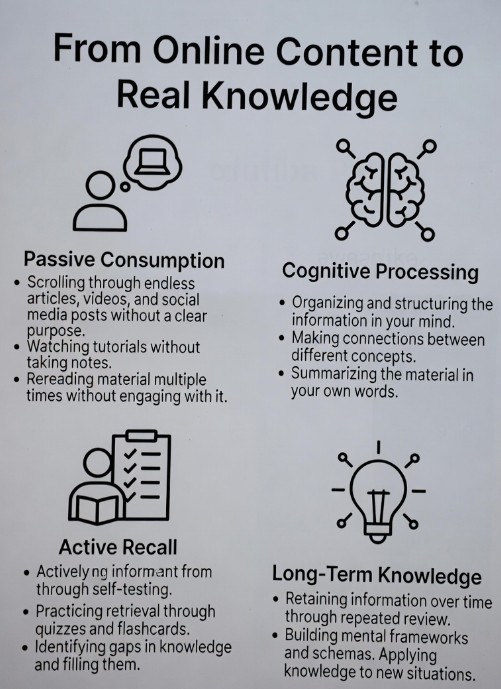
Of all memory aids available, perhaps the most effective devices for creating strong memory are mnemonic techniques. They transform abstractions into more structured, meaningful patterns that are easier and quicker to recall.
Tools such as SuperMemo, Mnemosyne, and Anki make use of spaced repetition, where information is displayed at intervals. Such a system can reinforce retention. Moreover, this process strengthens the memory trace in a very orderly way, with minimal forgetting.
Sherlock’s mind palace is another cognitive system that adds a spatial dimension, anchoring knowledge in imagined locations for intuitive recall. Each of these techniques does better than the more generic brain game approaches. They emulate the way the brain naturally encodes and retrieves information, which supports long-term learning.
Why a Memory System Beats Isolated Brain Training
Memory works optimally as a contextual system, not a collection of isolated drills. Brain encoding, storage, and retrieval are far more effective when context, association, and visuospatial cues provide a structure for information. Isolated drills may temporarily enhance recognition but seldom foster meaningful recall.
A great example of a proven memory system is memoryOS. This memory app for studying and encoding guarantees that learners create long-lasting memories through structured sequences, mind palace techniques, and adaptive exercises. Such memory enhancement programs help boost memory systematically. This is far beyond what traditional memory training programs can offer.
Practice, Assessment, and Feedback: Making Memories Last
Exercises become usable skills through consistent practice, timely assessment, and feedback. The best tools, including the best memory games, reinforce learning via repeated retrieval and structured challenges. Over time, this approach ensures memory grows in strength and flexibility.