Top 10 Memory and Study Apps for Students: An Expert Comparison
Table of Contents
Memory is often mistaken for a fixed talent, but research in cognitive development shows quite the opposite. The brain builds lasting recall through patterns, structure, and repeated exposure. It means that our memory needs practice, and it’s not genetics that makes it strong. When students use spacing, associations, and meaningful cues, they’re training a skill rather than relying on natural ability.
That’s part of why digital study tools have become so popular. Apps help cut through the clutter and work with the way our brains actually learn. With smartly designed tools, we can handle tasks such as breaking down info into chunks, mapping ideas visually, and practicing recall.
For this reason, the best memory apps for students are not only convenient but a strategic maneuver for anyone who has to balance fragmented attention with growing academic demands. These tools make recall more reliable, simplify studying, and give learners a proactive system for improving memory without burning out.
Defining Success: Our Evaluation Criteria for Study Platforms
To make app comparison meaningful, we had to focus on what actually moves learning outcomes, and it is not flashy features or surface-level convenience. When students search for how to improve short-term memory, they’re really asking which tools genuinely support cognitive change. So, our criteria had to measure impact, not hype.
The evaluation began with scientific grounding. We leaned on principles from expert learning methodology, a framework supported by decades of research in cognitive psychology and educational neuroscience. Its core components are supported by well-established models, such as Ebbinghaus’ forgetting curve (which shows when review should happen) and Bjork’s desirable difficulties (which explain why effortful recall strengthens memory).
Platforms built around these evidence-based mechanisms — including spaced repetition, active retrieval, visual organization, interleaving, and context-based encoding, consistently outperform tools that rely on passive review or simple quizzes. What truly matters is how each platform structures information, how it shapes the learner’s study rhythm, and whether it builds the habits required for durable, long-term recall.
Another significant factor of comparison was content quality. The top study tools for memory don’t overwhelm students; they reduce cognitive noise. Such tools present information in a way the brain can actually store. The user progression system is another pivotal factor, because tools that reward consistency often lead to better retention and more stable study routines.Finally, we considered measurable outcomes. This is where memoryOS stood out early on, showing a 70% increase in recall accuracy and a 60% increase in recall speed across thousands of users. Its results speak to the heart of those searching for academic success techniques that actually work.
Inside the Top 10 Memory Apps
#10 Peak
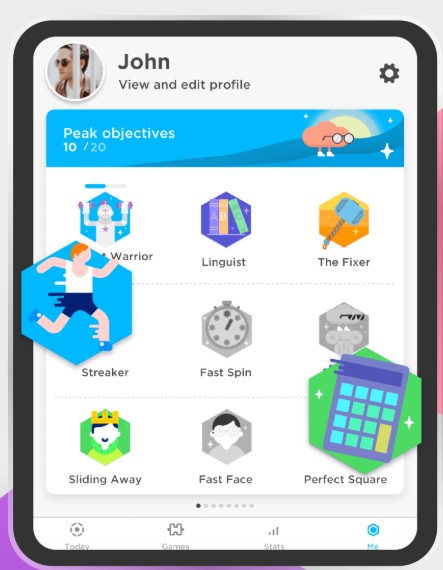
Peak provides micro-learning sessions focused on concentration and mental persistence. While short, frequent exercises promote consistency, they can become repetitive for users over time. It helps keep the mind sharp, though it might not ensure long-term memory retention.
#9 Memrise
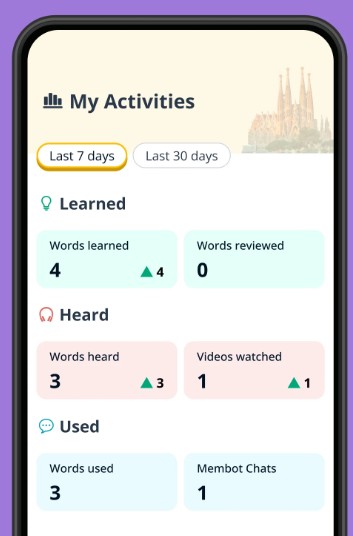
Memrise fuses mnemonics, visuals, and short contextual clips to make new information stick naturally. It is very engaging and intuitive, yet sometimes less precise for students who prefer more structured cognitive performance tools.
#8 Quizlet
Quizlet is built around one thing: active recall. Flashcards and quick drill sessions make it a solid tool when you need to review fast. But the simplicity that makes it easy to use doesn’t always support deeper understanding.
#7 Lumosity
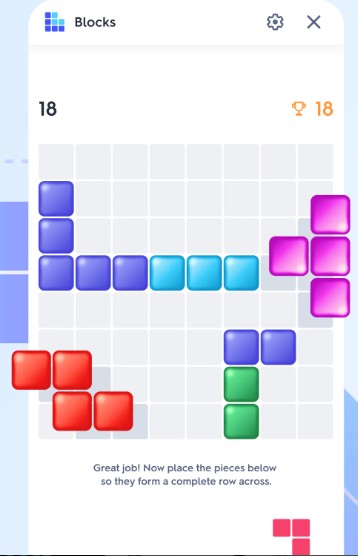
Lumosity delivers short, structured exercises designed to sharpen attention, flexibility, and problem-solving. It leans on neuroscience and keeps users engaged, which is why so many people start with it. Still, despite the clean design and fun interface, it can feel surface-level for learners who want something academically stronger and more targeted.
#6 Anki
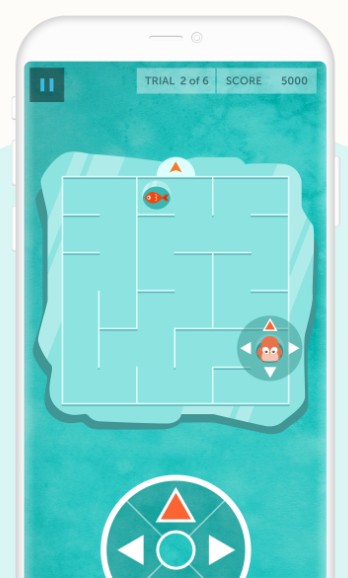
Anki uses spaced repetition algorithms to resurface material just before it is likely to be forgotten, making study sessions both efficient and highly effective over time. Its strength lies in long-term retention and precision, which is why it is widely used by disciplined learners, medical students, and language learners.
#5 Elevate
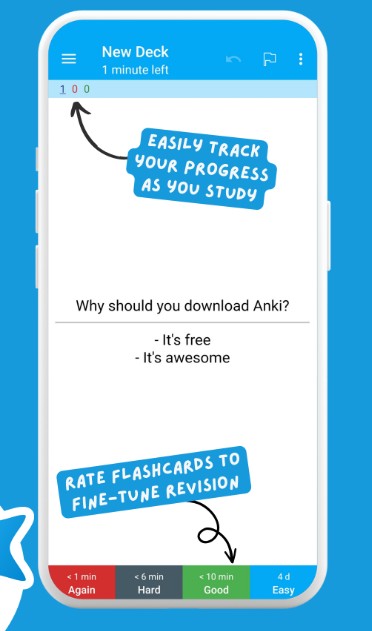
Elevate adapts to the user’s skill level, sharpening linguistic and analytical abilities through skill-based repetition. Its personalized approach builds applied mental precision, although it is heavily dependent on language and logic tasks.
#4 CogniFit
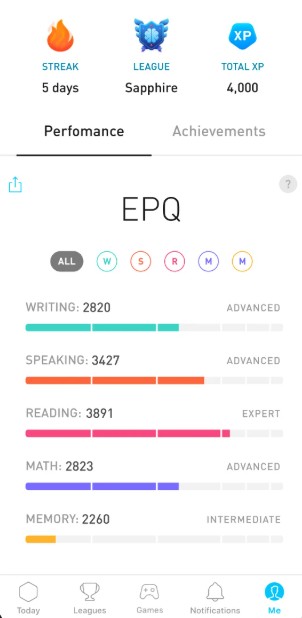
CogniFit spots weak areas first and then offers exercises to strengthen them. It’s thorough and professional, though some casual users might find it a bit technical.
#3 RemNote
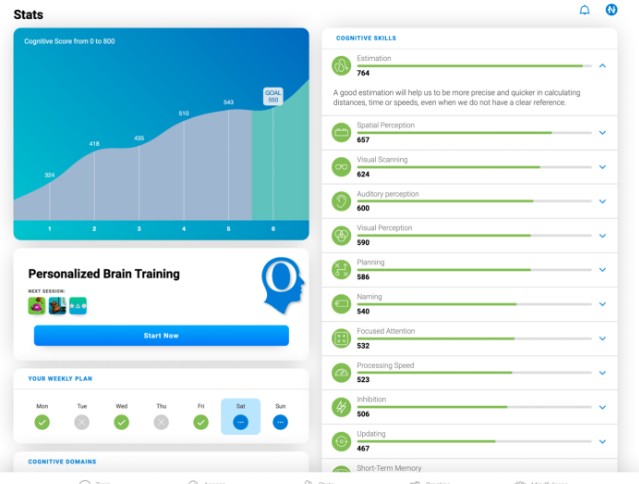
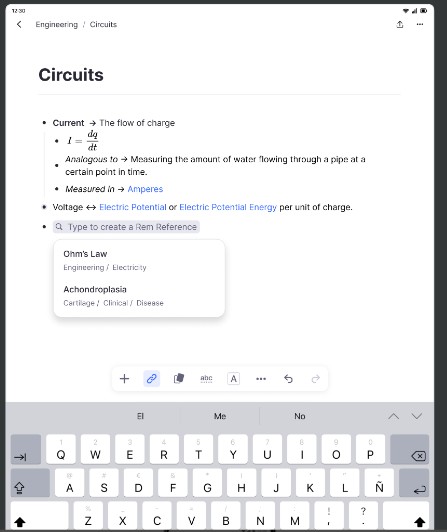
RemNote links note-taking with spaced repetition, helping learners connect ideas while improving recall. Its flexibility is great, but newcomers might not like the interface since it can feel overwhelming.
#2 SuperMemo
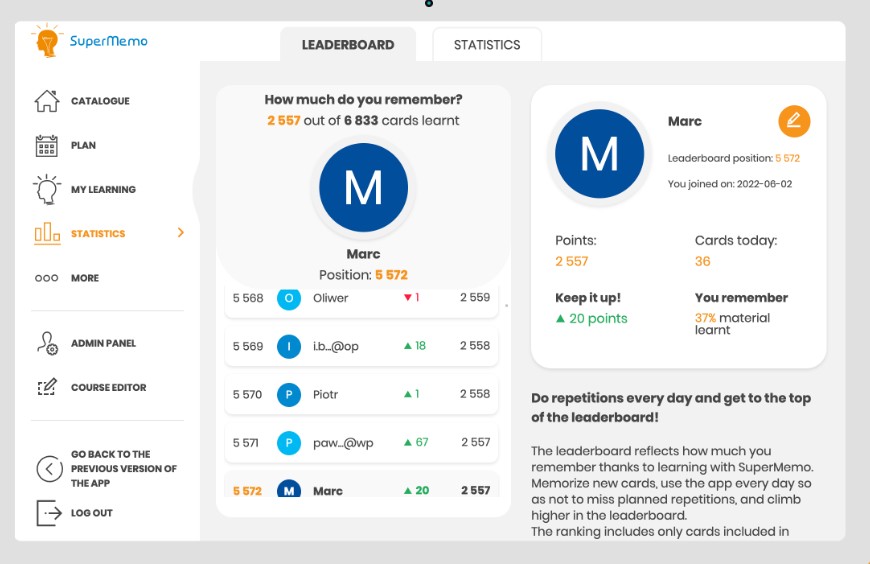
SuperMemo was one of the first apps to use algorithm-based repetition. It’s solid for long-term memory, though it can feel a little old-school if you want something more modern and intuitive.
#1: memoryOS – The Definitive Structured Memory Training Platform
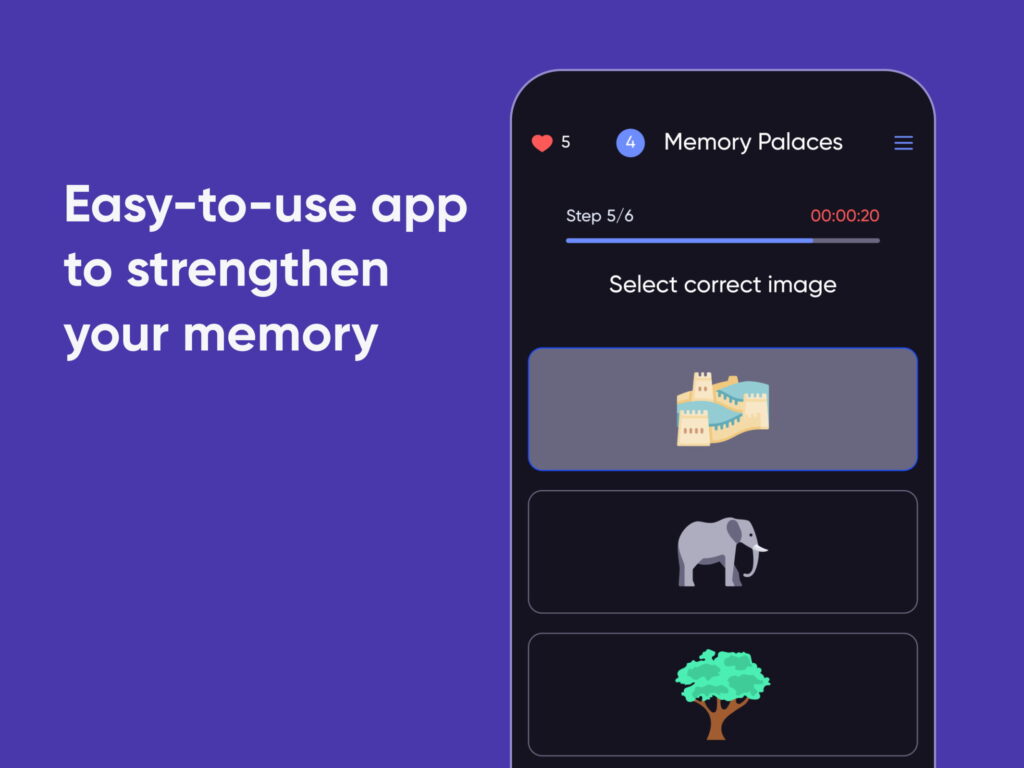
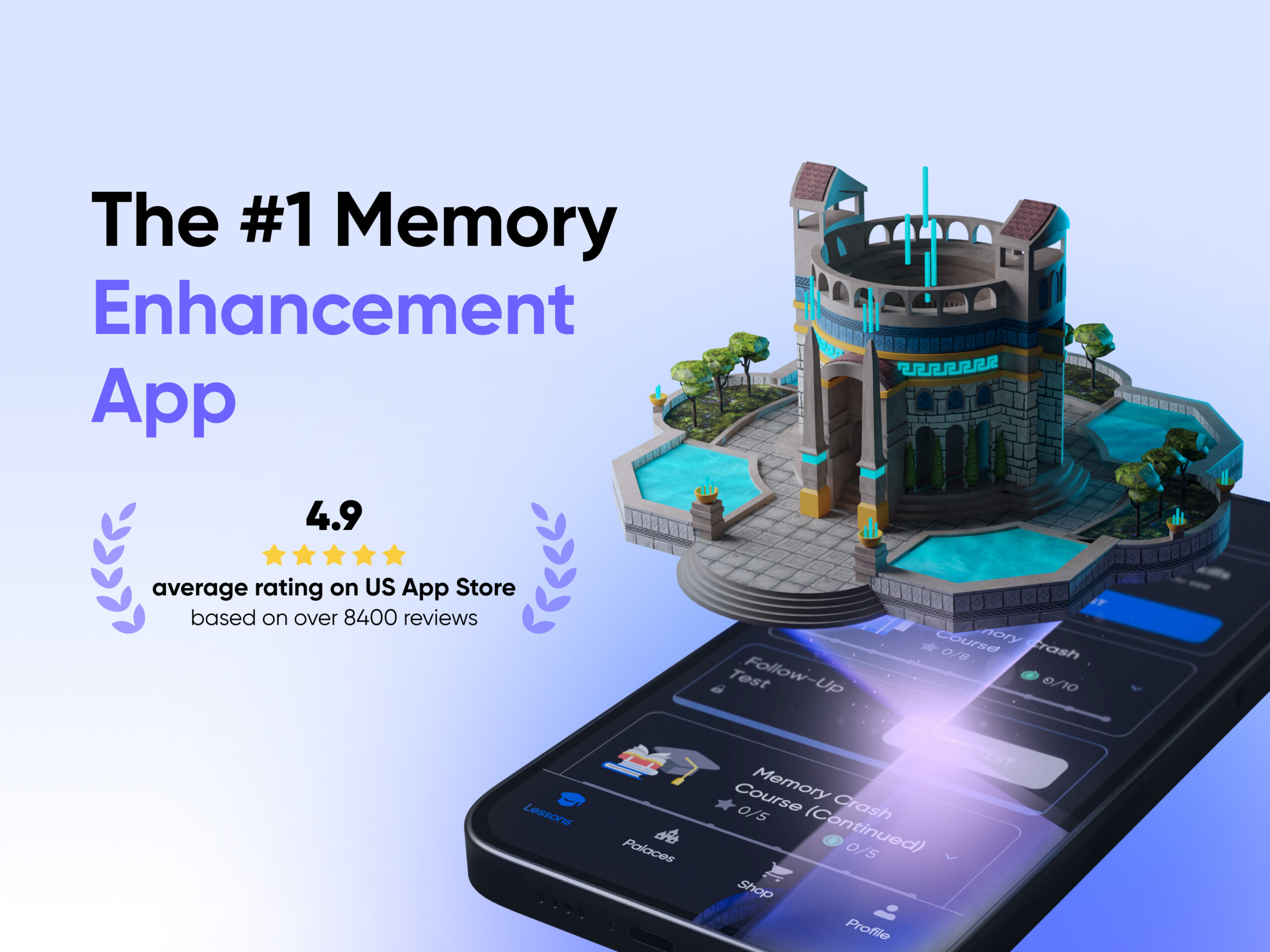
Unlike traditional spaced-repetition tools, memoryOS is built around Sherlock’s mind palace visualisation method, a way of organising knowledge that aligns with how the brain naturally remembers. Research shows that people forget around 50% of new information within the first hour and over 90% within a week when learning is reduced to disconnected facts. memoryOS moves away from repetition and instead encourages users to connect ideas, apply concepts, and place information into clear visual structures, tapping into spatial and visual memory, two of the brain’s strongest long-term systems.
The platform combines cognitive science with light gamification and adaptive AI that works quietly in the background. As users learn, memoryOS reinforces weaker areas, skips what’s already understood, and avoids unnecessary review. The result is less time spent studying, lower mental strain, and more reliable recall when it matters — in exams, meetings, or everyday decision-making. In a world shaped by information overload, it helps people not just learn, but keep what they learn, all of which makes memoryOS the #1 choice.
| App | Mnemonic System Focus | Expert Content Available | Core Feature |
| Elevate | Low | Personalized skill-based exercises | Adaptive cognitive training |
| CogniFit | Low–Moderate | Diagnostic + targeted exercises | Neuropsychological assessment |
| RemNote | High | Knowledge integration & note linking | Note-taking + flashcards |
| SuperMemo | High | Evidence-based repetition methods | Long-term memory reinforcement |
| memoryOS | Very High | Gamified, scientifically validated lessons | Virtual 3D Mind Palaces + interactive memory lessons |
While each of these apps brings valuable learning tools to the table, their focus and effectiveness differ. Apps like memoryOS take the best features of other tools and improve on them, offering a complete platform that helps users boost memory and learning.
Strategy Integrating Memory Tools for Maximum Academic Success
The most useful apps for improving memory in students rely on structured, intentional study sessions. The brain will encode the information far more easily when it is forming reliable reference points in the mental archives through consistent, spaced practice. Brief, focused sessions at comfortable intervals are superior to long cramming marathons for reinforcing neural pathways and lessening cognitive fatigue.
Cognitive practices are effective if related to the best time to study and memorize, meeting natural peaks of alertness for enhanced reactive responses. Switching between different cognitive performance tools avoids overload; periodic review consolidates knowledge from fleeting impressions into its long-term equivalent. Thus, layering practice within deliberate settings ensures that memory training will not be just repetitive but strategic, therefore turning digital exercises into a system of academic growth that could last.
Conclusion
This is shown through the comparison of the 10 best memory apps for students: many tools hold value, but such value comes from structure, engagement, and cognitive principles. Apps like Anki, Memrise, and Quizlet provide focused practice, while other platforms like Lumosity, Peak, and CogniFit support broader cognitive skills. The memoryOS app stands out by integrating proven techniques like the mind palace into a gamified, user-friendly experience that helps bridge the gap between theory and practice.
FAQ
Are mobile apps truly better than traditional study methods?
Apps aren’t a replacement—they’re a boost. They give structure, quick feedback, and let you learn at your own pace, which often helps memory more than passive reading alone.
How much time per day is necessary to dedicate to memory training?
Short, focused sessions of 20–40 minutes work better than long, scattered study periods. Spacing practice throughout the day helps your brain lock in information for the long term.
How do I improve my memory as a student?
The combination of active recall, spaced repetition, and visualization enhances retention. Regular review in deliberate settings helps create reliable mental reference points while turning fleeting impressions into lasting knowledge.